What you'll learn

From forest floor to your kitchen — the fundamentals every forager needs to know.

Every lesson builds toward one goal: knowing exactly what you've found, and what to do next.

Every lesson is a starting point for your own learning — the final ID, and the decision to eat it, is always yours.

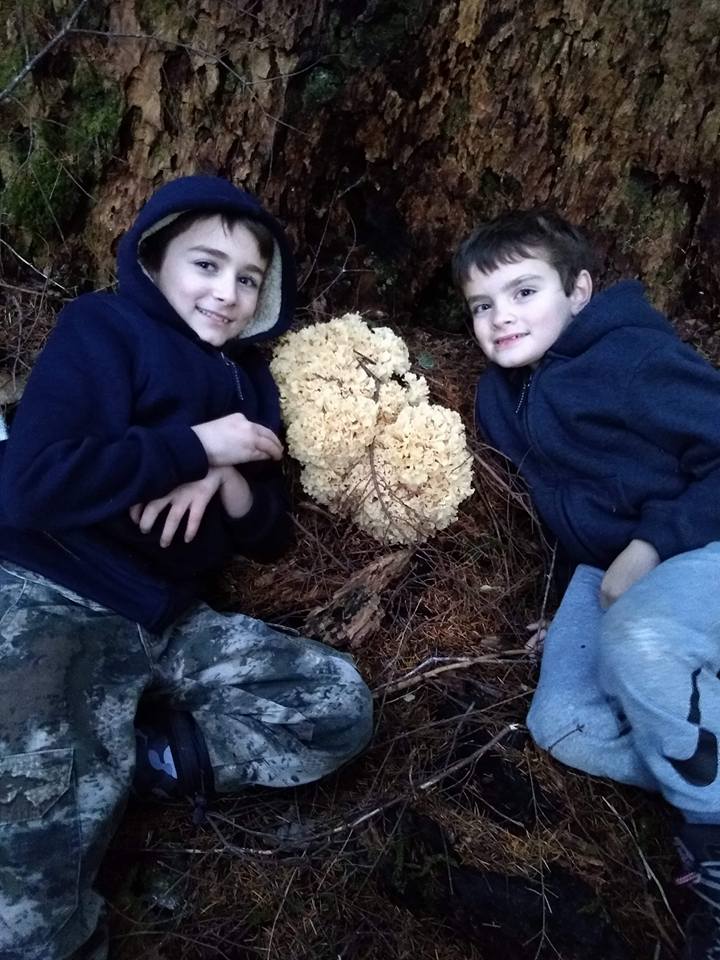
Two kids kneeling next to a lion's mane mushroom find in the forest

Identification fundamentals

Read caps, gills, pores, stems, and spore prints like a field guide — and build a repeatable ID routine.
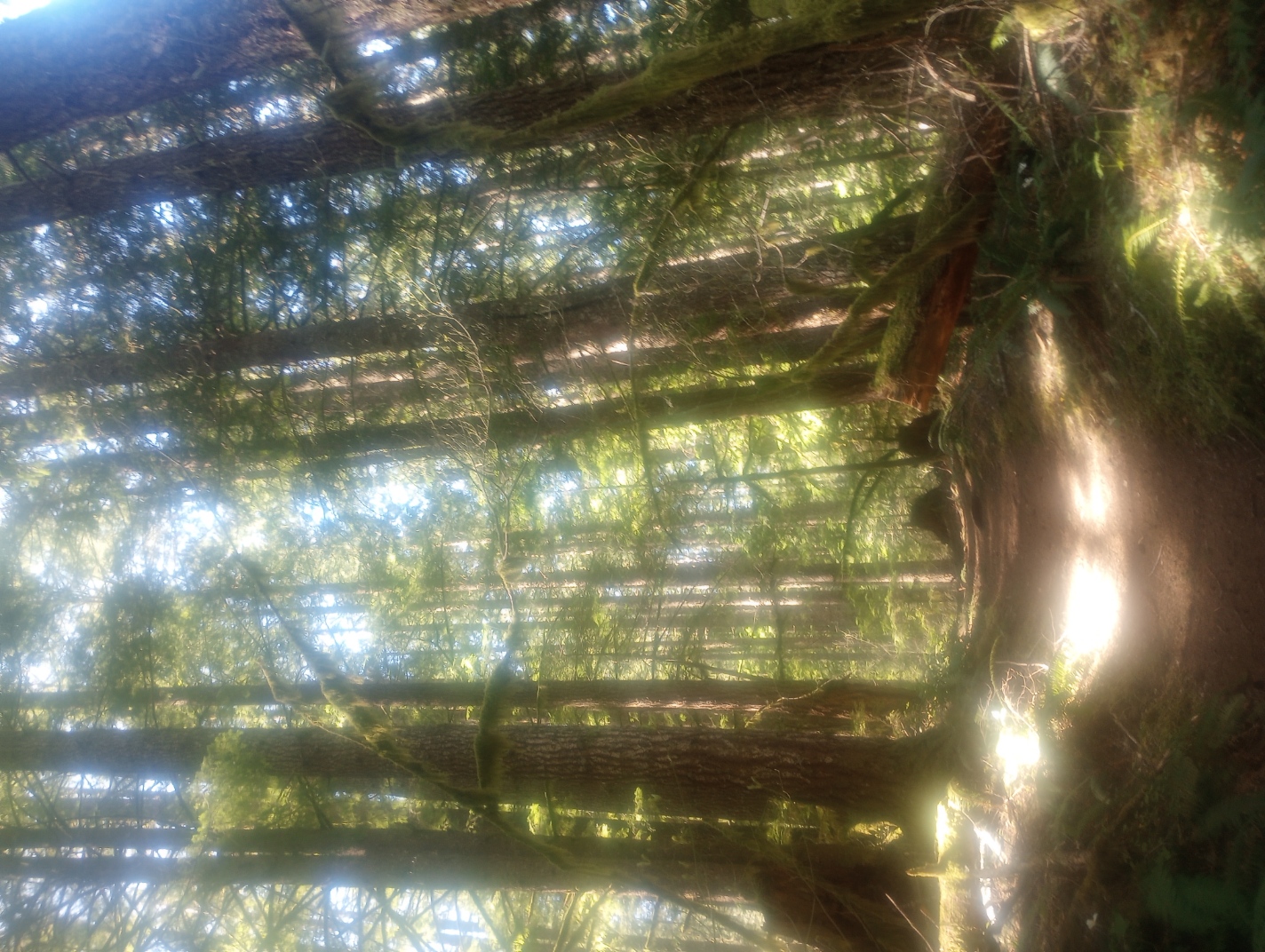
Sunlight through the forest canopy

Where & when to look

Match species to habitat, tree partners, weather, and season so you search where finds actually are.
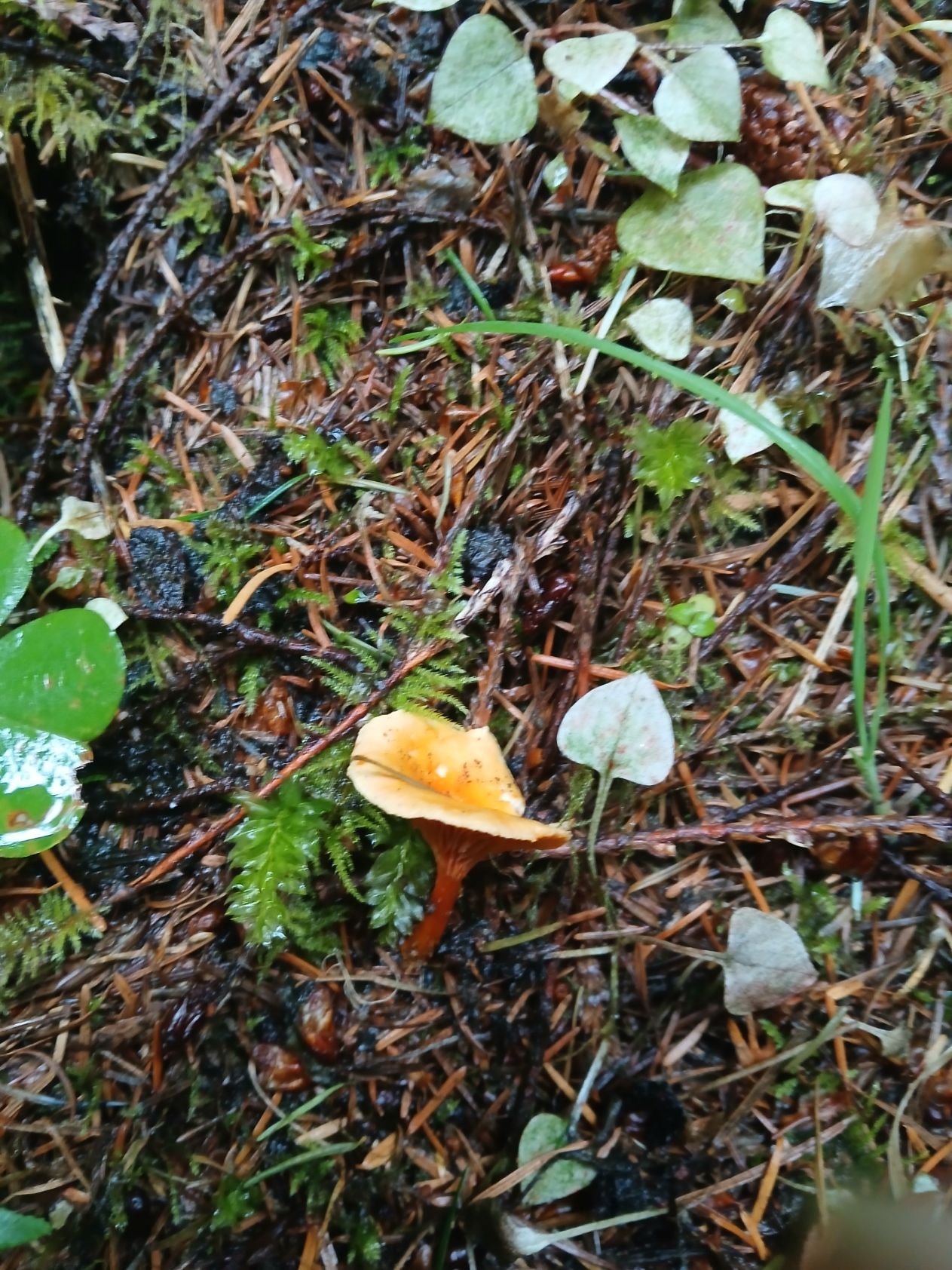
A small orange mushroom growing in moss and forest duff

Know the look-alikes

Tell prized edibles from their toxic twins — the exact features that separate a keeper from a hard pass.
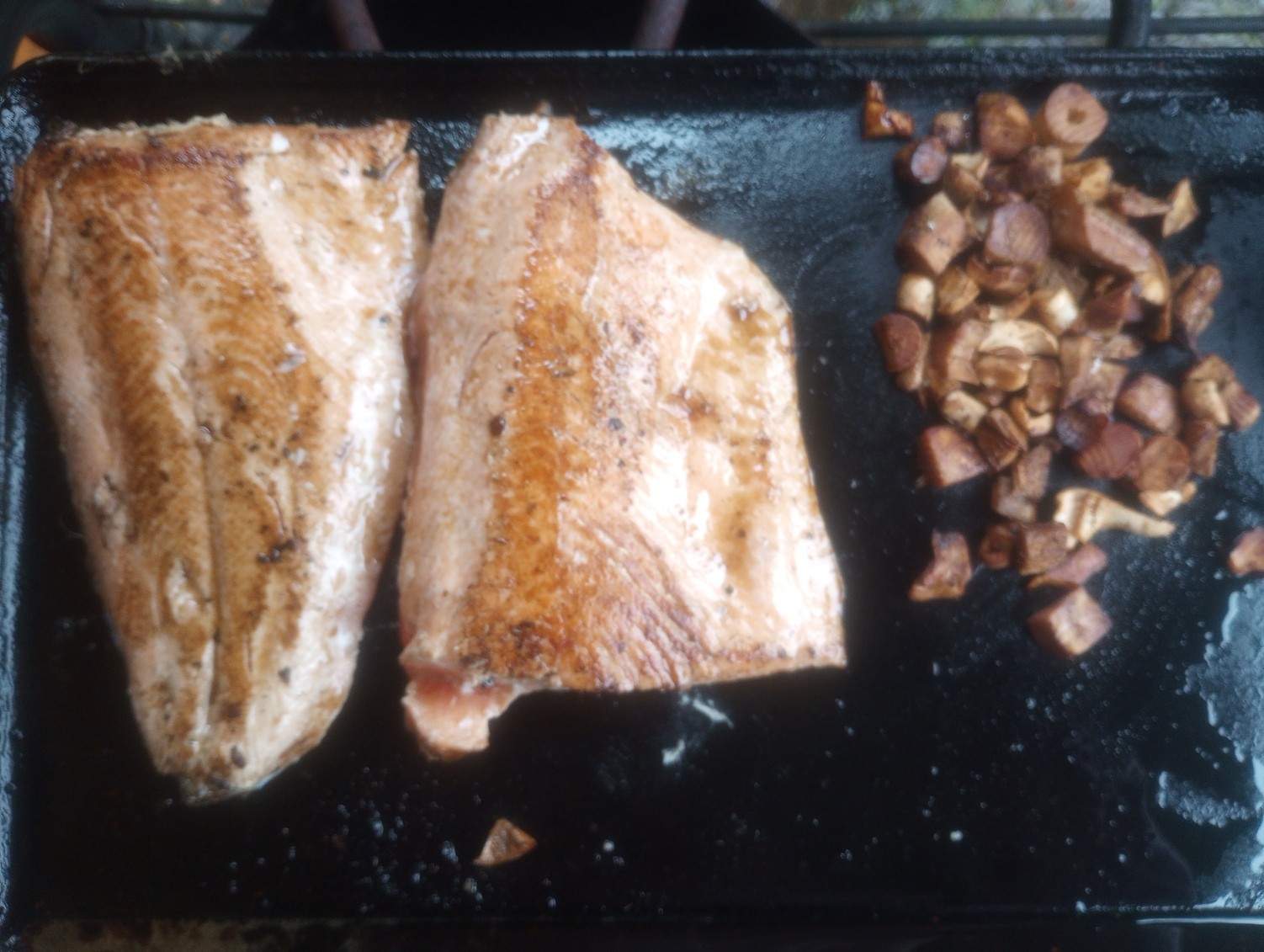
Fish fillets and diced wild mushrooms cooking together on a griddle

Forest to table

Harvest ethically without damaging the patch, then clean, store, and cook your finds the right way.
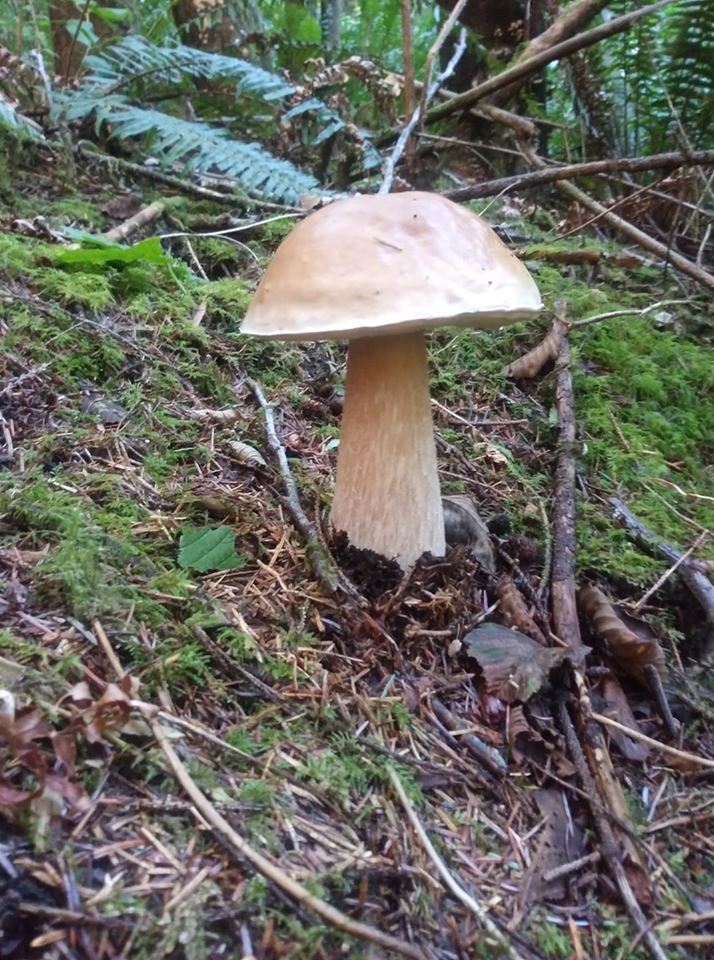
A single king bolete standing in mossy forest floor

Patience pays off

Great finds don't shout. Slow down, check under duff and deadwood, and let your eyes adjust to the forest floor.
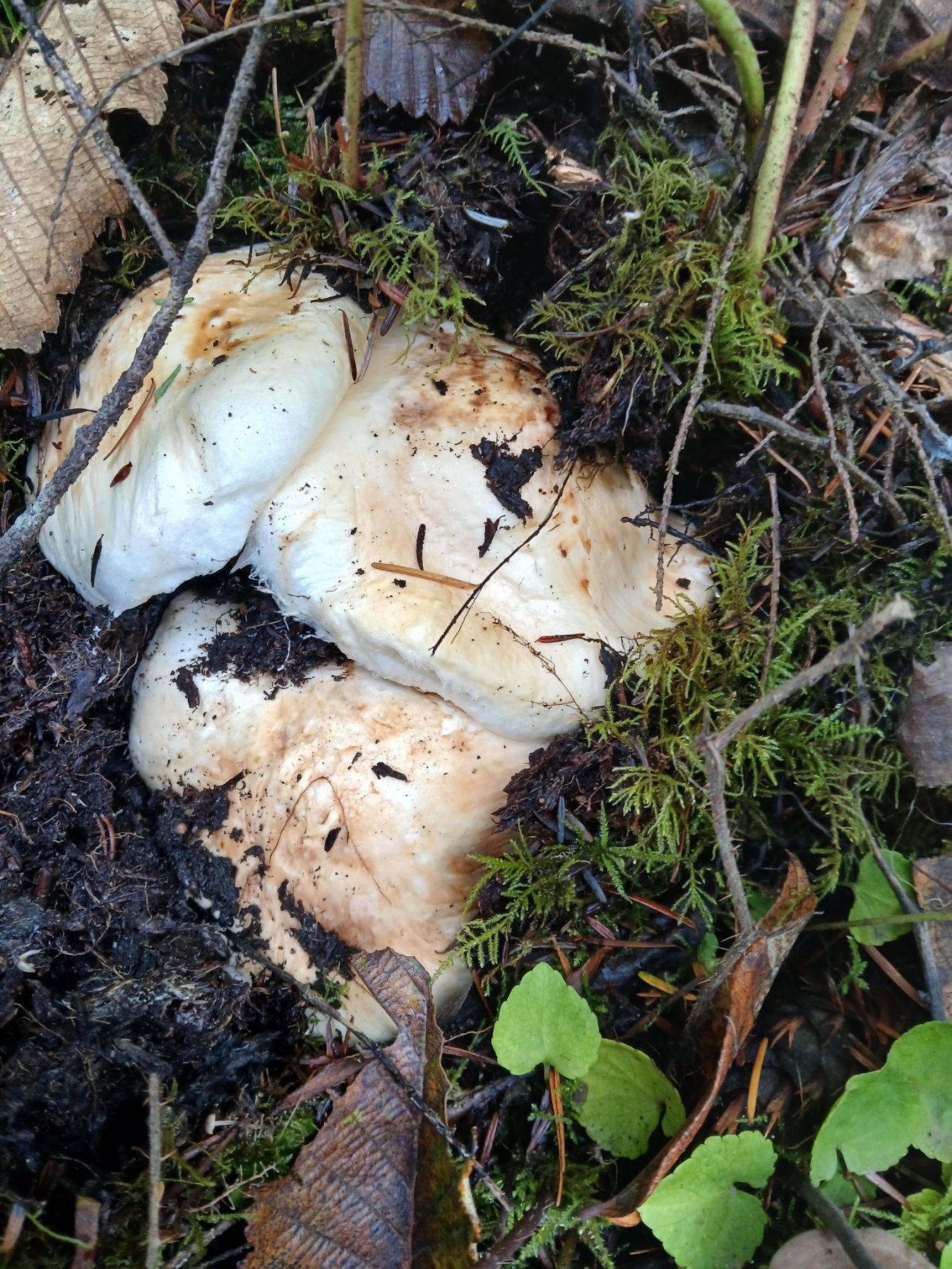
A cluster of white mushrooms growing at the base of a mossy tree

To cut or pull? That is the question.

A healthy patch keeps producing for years to come.

Never eat a mushroom you can't identify with 100% certainty.

Some wild mushrooms are deadly, and some toxic species look nearly identical to prized edibles. All content on this site, in our videos, and in our community is provided for educational and entertainment purposes only. It is not, and can never be, a substitute for expert, in-person identification by a qualified mycologist.

Forage: The Fungal Frontier, its creators, and its contributors accept no responsibility or liability for how you identify, harvest, prepare, or consume any wild mushroom. You forage and eat entirely at your own risk. Always verify every find with multiple trusted sources and a local expert before eating — and when in doubt, throw it out.